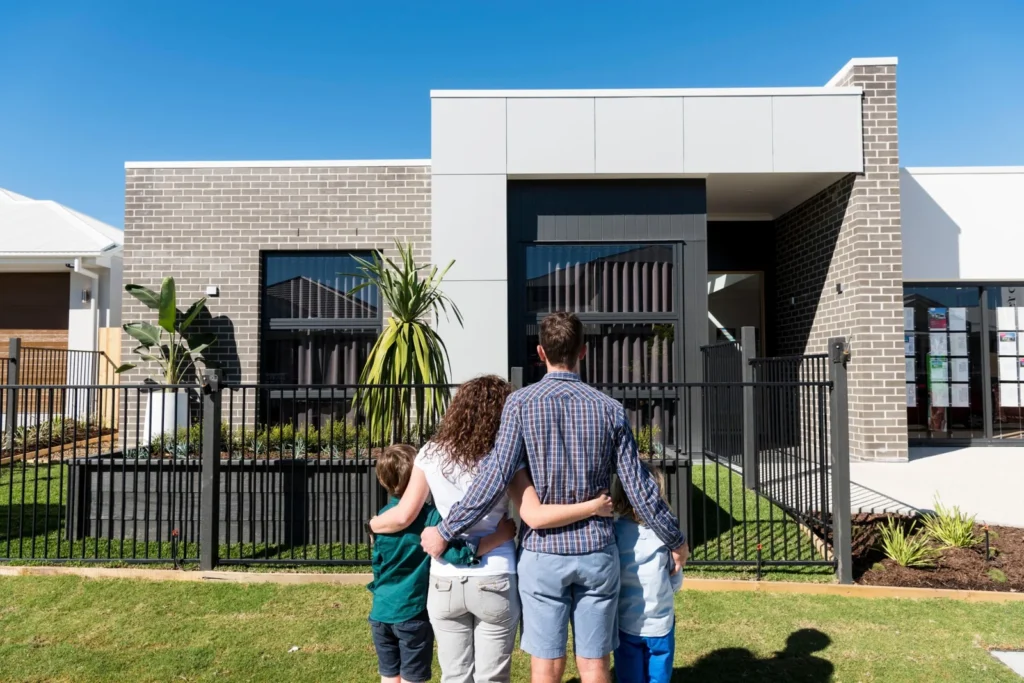

A bridging loan lets you buy your next home before your current one sells, so you aren’t forced to rent in between or lose the property you want. Here is how I helped James and Sarah (names changed for privacy), a professional couple with two young children, secure their new home in Hawthorn, VIC, and sell their existing property within six weeks.
This case study is short on drama for a good reason. A well-structured bridging facility did its job quietly, with no temporary accommodation and no scramble.
The situation: a dream home in Hawthorn, but their own house hadn’t sold
James and Sarah are a professional couple with two young children. They found a family home in Hawthorn that fit exactly what they needed, in a suburb they had been watching closely. The problem was timing: the market for their type of home in Hawthorn was competitive, and buyers who could move quickly had the advantage.
Their existing home hadn’t sold yet. Waiting for a sale to go through before making an offer risked losing the Hawthorn property to another buyer. Selling first and hoping to find another home afterwards risked the opposite problem, nowhere to live in between, and the stress of temporary accommodation with two young kids.
Our solution: a bridging loan structured around their circumstances
We arranged a tailored bridging loan that let James and Sarah buy the Hawthorn property first and sell their existing home on their own timeline, not under pressure. The facility was structured around their circumstances, with flexibility built in to manage both properties during the short overlap period.
In general terms, a bridging loan works by combining your existing mortgage and your new purchase into one facility for a defined bridging period, until your old property sells and the loan is paid back down to what’s sometimes called your ‘end debt’. The exact structure, whether repayments are made during the bridging period, and how the two properties are treated, depends on the lender and your circumstances, which is why getting the structure right at the start matters so much.

The result
- New Hawthorn home secured without delay
- No need for temporary accommodation
- Sold their original property within six weeks
- Managed cash flow with minimal stress throughout
Six weeks is a fast turnaround for a property sale, and it meant James and Sarah’s bridging period was short, which kept their overall interest costs and financial pressure to a minimum.
Why it matters
Bridging finance isn’t just about timing, it’s about peace of mind. With the right structure, it gives families the space to make smart decisions, not rushed ones.
Without a bridging loan, James and Sarah would have faced an uncomfortable choice: miss out on the Hawthorn home, or sell first and scramble to find somewhere to live with two young children in the meantime. Neither option suited their family.
When a bridging loan makes sense (and when it doesn’t)
A bridging loan tends to make sense when you’ve found the right property at the right time, your existing home is genuinely saleable in a reasonable timeframe, and you can comfortably manage the loan during the bridging period if the sale takes a little longer than expected.
It makes less sense if your current property is difficult to sell, if you don’t have a realistic view of its market value, or if a longer bridging period would put real strain on your cash flow. I always work through these scenarios with clients before recommending a bridging loan, because the whole point is to reduce stress, not create a new source of it.
If you’re comparing a bridging loan against other ways to fund a purchase before you sell, my article on bridging loans in Australia goes into more detail on how these facilities are typically structured. And if you’re heading to auction for your next purchase, how to bid at an auction is worth reading before you go in.
Frequently asked questions
What is a bridging loan?
A bridging loan is a short-term finance facility that lets you buy your next property before your current one has sold. It typically combines your existing mortgage and your new purchase into one facility until your old property sells and the loan is paid down.
How long did it take James and Sarah to sell their existing home?
They sold their original property within six weeks of finding their new home in Hawthorn, VIC, which kept their bridging period short.
Do I need temporary accommodation if I use a bridging loan?
Not necessarily. In James and Sarah’s case, a well-structured bridging loan meant they moved straight into their new Hawthorn home and avoided the cost and disruption of temporary accommodation entirely.
Is a bridging loan risky?
It carries more risk than a standard purchase because you’re holding two properties at once until the first one sells. The risk is manageable when the bridging period is realistic and your existing property is genuinely saleable, which is why the structure needs to be right from the outset.
Who is a bridging loan suited to?
It suits buyers who’ve found the right property at the right time but haven’t yet sold their existing home, particularly families who don’t want the disruption of moving twice or the risk of missing out while they wait for a sale to go through.